You might be a great decorator, you might have all the best kit, but you’ll certainly know you can achieve more.
Sometimes improvements aren’t about big life or work changes, it’s about the cumulative effect of all the little things.
This philosophy has won Olympic gold medals…
Dave Brailsford became British Cycling’s performance director in 2003. The team were already good, but not winning many competitions. Yet by 2018 they’d won more Olympic medals and Tour de France competitions than any other country. How did Dave do it? It was all the little things, it was marginal gains.
What are marginal gains?
We can all make big improvements in things. It might be learning to spray, or buying top end sanders, or taking advice from someone who’s better than us at something. But what then? How do we make sure we keep improving? The answer is marginal gains… The small things we do in every possible area to make large, cumulative improvements.
Back to cycling…
These were athletes at the top of their game, and already giving it everything they could. So Dave looked at the tiny, tiny details. Things like their sleep conditions: the temperature and noise levels at their accommodation, the bedding quality, sleep timings…
And they then optimised all of these.
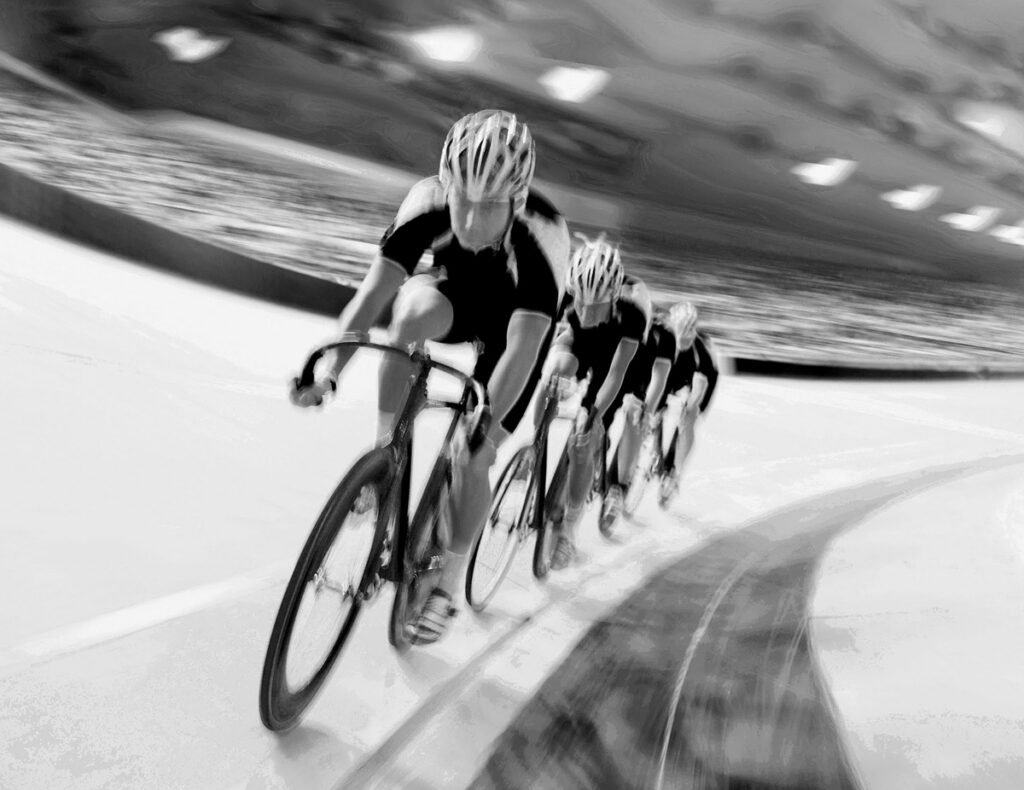
They chose cooler and quieter rooms, they brought their own bedding, they tracked and optimised their sleep times. Not only were they fresher, but these changes improved their recovery times and even their take up of nutrition.
It didn’t stop at sleeping conditions, Brailsford got the British cyclists to measure everything they did: seat ergonomics, nutrition timing, tyre pressure, travel hygiene, small tweaks to their training routines.
What the blazes does this have to do with decorating or business?
Everything. Let’s apply this to prep work… Let’s say you put extra focus on your sanding and filling, getting those edges really well feathered, removing just a little more dust, checking surfaces under angled light. The paint will flow better on the cleaner, smoother surfaces. You’ll get fewer snots. You’ll feel like you’re flowing as smoothly as the paint. Your work will inevitably move up a notch.
Now apply this to everything
If you do this with every part of your business, starting with yourself, you’ll make a massive cumulative impact. Your van is just that little bit more organised so you spend less time trying to find tools and materials. Perhaps you’re not posting to social media regularly, so just post one photo at the same time every week, just one.
If you want to be booked up six months in advance, then contact one former customer every week to ask if they, or someone they know, needs any work doing in the next few months. Work out one thing or one small tool to make your caulking smoother and faster.
Switch off all notifications on your phone (except calls from loved ones) so you can focus on your tasks for longer without interruptions.
Now it’s time to get Atomic
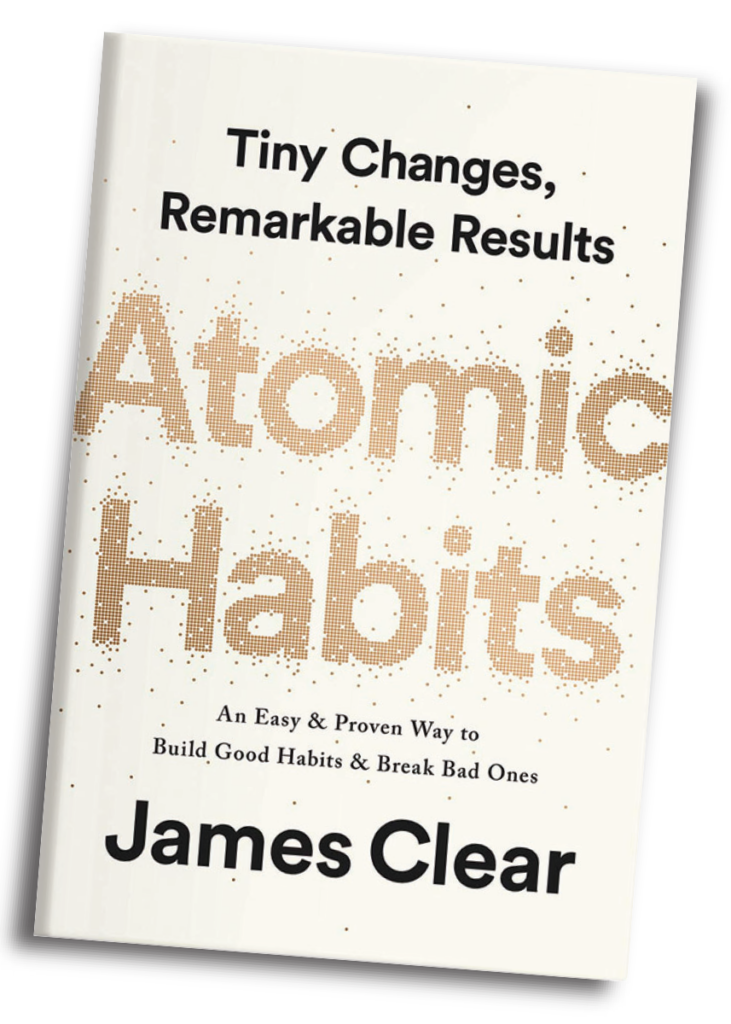
I don’t mean getting a nuclear powered van, I mean what the author James Clear calls ‘Atomic Habits’. Clear said that if we improve how we do things by creating small, repeatable habits, it accumulates to massive changes.
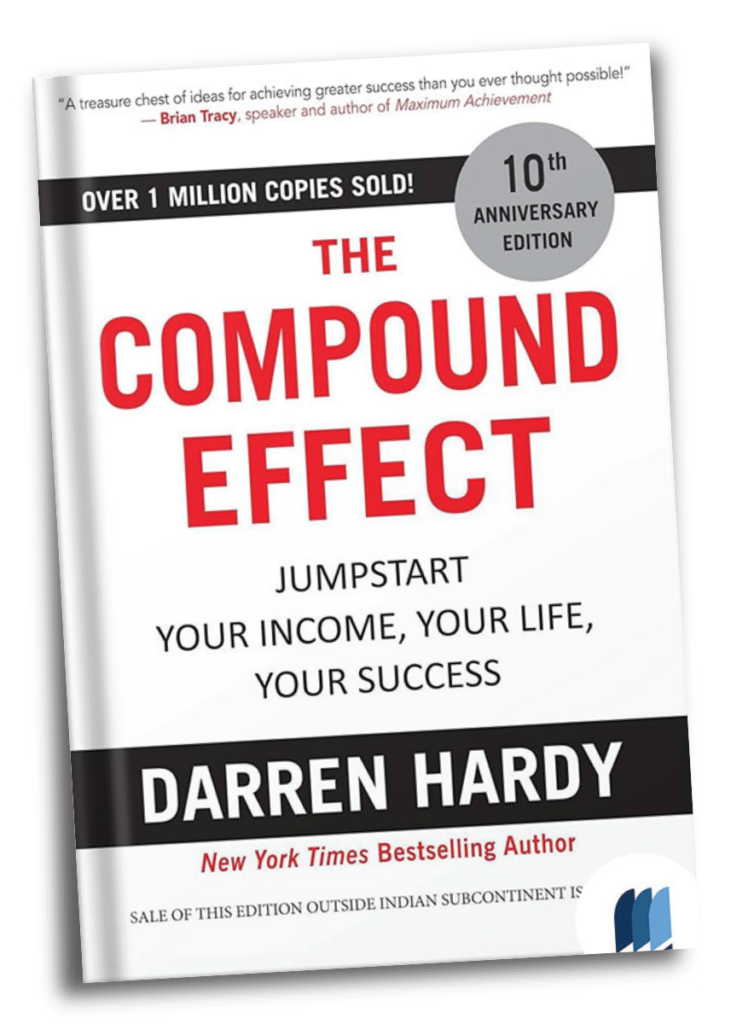
If you make a 1% improvement to ten different areas of your work or life, it can significantly compound. Then you need to make those changes into habits, and once they are, you make more improvements attached to those habits. He called it ‘habit stacking’, and it works.
Better mental health
There are several impacts on our mental health from doing this stuff.
We feel more in flow more often, because we’ve got systems of working which mean fewer hold ups. We are constantly thinking ‘How can I do this better?’ – so we’re learning, and that’s deeply satisfying. We inspire those around us, whether it’s clients, colleagues or loved ones.
The feedback loop can keep growing over the years as well. In the year 2000, British Cycling won no gold medals, in 2004 they won two, and in 2008 in Beijing they won eight golds, and another eight at home in the 2012 London Olympics. So you can keep going for years, getting better and better. It’s so satisfying, and it applies to any area of your professional and personal life.
Start small
I know that doing this can appear daunting, so perhaps just list five things you can start with, everyone can do that.
The most important thing is to begin.
The second most important thing is to keep going – consistency. Because these changes are usually quite small, they’re not difficult to do. Just keep doing them and they become habit, you hardly have to think about them. Then you can put your mind to the next improvements, and soon you’ll be doing better than you ever have, just like the British Cycling team.
The impacts of change aren’t always visible while they’re happening, you only see them when you step back to see the bigger picture.
Charlie Budd
Want to learn more?
Find me at www.chinbadgermedia.co.uk
