
As costs rise, we need to charge more to keep the same standard of living.
Over the past five years the average cost of getting a decorator in has gone up by 20% to 30% due to steep rises in materials costs, but also labour.
So how do you avoid becoming an unnecessary luxury?

Getting any tradesperson in to do things often considered ‘DIY’ is more expensive now, so how can we reassure potential customers that they’re making the right decision when looking for a quote?
There are several things we can talk about to reassure people that they’re making a good investment in themselves and their property, and not just frittering money away on the luxury of a freshly decorated property.

You’re an investment
The first thing to do is reframe ‘cost’ as ‘investment’. Doing things properly with durable materials actually saves people money and hassle in the long run. This is especially true for things like kitchens, where the cost of replacement is usually much higher than doing a repaint. And it’s even more true with external decorating, helping exteriors last decades longer. I’ve saved clients thousands of pounds by doing resin repairs on cast iron guttering, instead of getting them replaced.
Spreading the cost
These days, people often spread the costs of holidays. It’s a good idea to do the same with decorating. Whether it’s a third up front to book the job in and pay for materials, and then spreading payments every week, or half up front and half on completion – you can work it how you want.

Some people like to know the cost of materials and labour, so they can accurately compare quotes. It’s up to you how much information you give, but I always liked to be as transparent as the client wanted – it encourages trust.
Choices and options
There can be a huge difference per litre between using a trade paint and a premium quality designer finish, so if you’re giving that choice, be clear what it means.
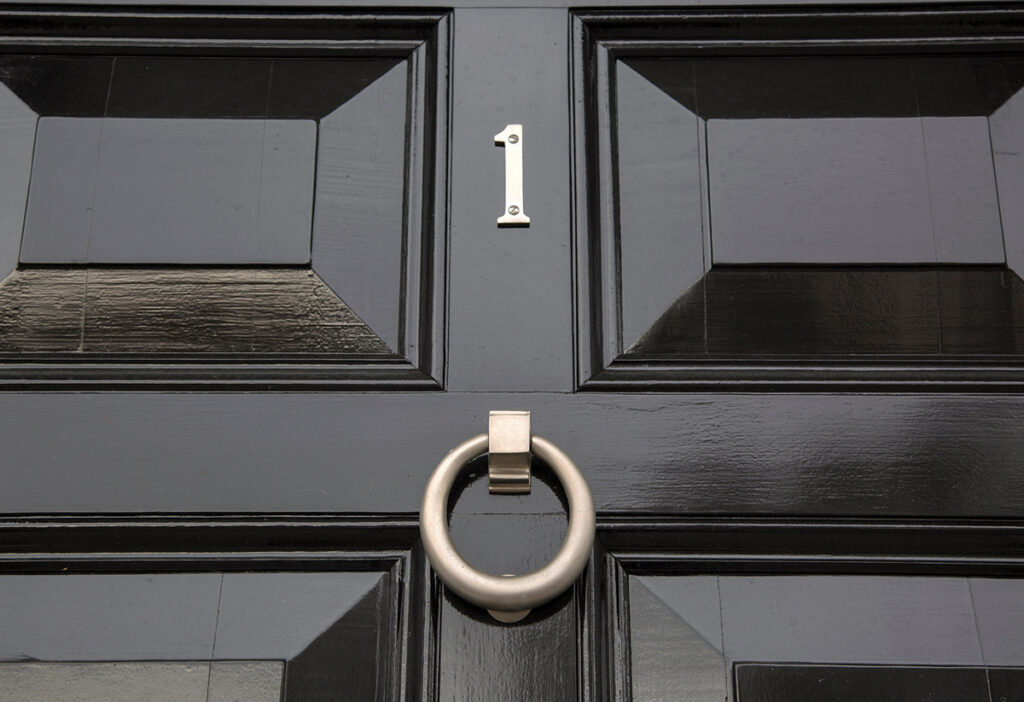
The same is true with the amount of preparation you do. Some people want just a quick refresh with the odd ding being filled, but I’d always give the choice of improving every surface. Sometimes I’d know, by the layers of paint on a door or window frame, that I’d be making something look better than it’d looked in 50 or 100 years. That’s quite a nice thing to tell a client.
People like being given agency, the power to make a choice. You can inform them of the upsides and downsides of the choices they make on materials and level of preparation and application. You can even set yourself apart by educating your clients in things they might not know about. That gives them security in making the right decision for them.

Some people want cheap, some don’t
Some people want things done as cheaply as possible. They can’t manage to repaint their hall, stairs and landing and they’re getting you in simply because they can’t. They just want a refresh at the lowest cost, and that’s fine.
Some people want expensive. They buy an Aston Martin, a big house, a few horses in the paddock. Their expectations are much higher. There is an argument for being reassuringly expensive, but then the service you provide needs to match that.
Not just the quality of your work, but also the quality of your communication and how you show up every day. You can only be ethically expensive if the service you provide reaches that level of price.
Just like the experience of a good meal depends on the helpfulness and warmth of the waiting staff. A grumpy waiter can ruin a good meal. Don’t be the grumpy waiter.

Giving a good deal
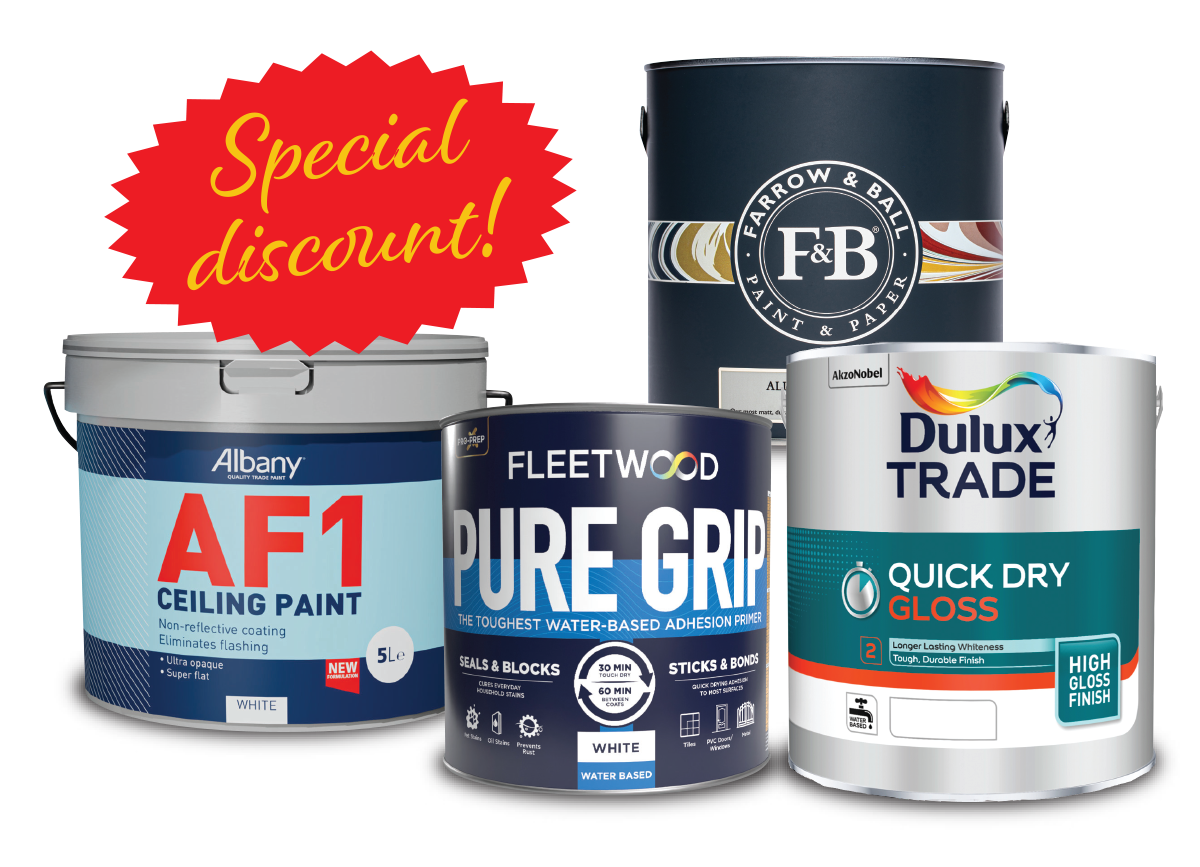
Some people want the feeling that they’re getting a good deal. I used to pass on some or all of the trade discount I got on materials, and people really liked that. It’s like getting a special offer. Sometimes I’d offer a discount for painting an interior room when it rained and I was supposed to be painting the exterior. That’s also quite a nice ‘upsell’. You’re staying on site, which people like, and you’re making a bit more money.
Internalities and externalities
These terms are usually used in economics, but it’s a nice way to sum up the benefits of how you work. Internalities are the direct costs to someone, not just financial costs but they could be health costs of breathing in dust.
Externalities are the costs to society or the environment. So if you’re reducing dust and VOCs, then you’re looking after your health, your client’s health and the health of the planet.

When we’re doing a quote, we need to understand what people value. That only comes from listening and asking the right questions. Once we know that, we can give people choices around what they value, whether it’s price, quality, durability, environmental impact and level of service.
We can educate people on making a choice that sits well with them, and makes them feel as thought they’re making not only an affordable but also the necessary and right decision to hire you.
Want to learn more?
Find me at www.chinbadgermedia.co.uk
